
Saratoga Previous Residents: Begin With One Address
An address history starts with the parcel, not with a guessed name. For a Saratoga property in Santa Clara County, California, begin with the Santa Clara County Assessor Real Property Search. Search the physical situs address or APN, then note the APN, latest title-changing document reference, legal property facts, and assessment date. The web result does not show the owner or mailing address, so it cannot answer who lives there. It does give the bridge needed for a Saratoga deed search. Saratoga GIS adds parcel context and a spatial owner and mailing export when a lawful research need calls for it.
| Source | Years It Covers | Where Held | What It Shows |
|---|---|---|---|
| Saratoga recorded instruments | 1850-present | Santa Clara County Clerk-Recorder research room | Grantor, grantee, date, type, and legal description |
| Saratoga Recorder Digital Reel | 1850-1980 | Research room, San Jose | Older party index and document images |
| Saratoga Recorder workstation | 1981-present | Research room, San Jose | Later party and document index |
| Saratoga Assessor parcel search | Current; prior rolls at office | Web search and San Jose office terminal | APN, situs, values, and latest document reference |
| Saratoga Haines criss-cross directory | Cataloged 197?-; observed 2018 volume | Santa Clara County Library, in-library | Address and telephone clues where the edition reaches |
| Saratoga newspapers and census | 1896-2015 papers; census through 1950 | Saratoga Library and genealogy access points | Occupant, family, and community context |
| Saratoga City permits and heritage files | Post-incorporation city trail; report dates vary | eTRAKiT, kiosk, requests, and City PDFs | Project parties, work history, and selected house history |
The era map prevents a false dead end. Current ownership begins with the Assessor, title history moves to the County Recorder, and household clues come from libraries, census schedules, and local papers. For the modern parcel sequence, the Saratoga street directory by address keeps the assessor, GIS, and Saratoga deed steps together.
Saratoga Previous Residents: Follow the Deed Chain
The Saratoga Recorder index is organized by parties and document details, not street address. For a Saratoga deed chain, start with the latest title-changing document shown by the Assessor, open that instrument in the County research room, and copy the seller, buyer, recording date, document type, and legal description before moving back.
- Record the current Saratoga APN and latest document number from the parcel result.
- Use the document number, or book and page for an instrument recorded before May 1, 1995, to open the document.
- Write down the seller as grantor and the buyer as grantee, then search that seller as a grantee.
- Repeat the Saratoga seller-as-grantee search through earlier purchases, checking the legal description each time.
- Use the Saratoga Digital Reel for 1850-1980 and the public workstation for 1981-present.
- Grantor
- The party transferring an interest in a recorded instrument.
- Grantee
- The party receiving an interest in that instrument.
- Chain of title
- The linked sequence of recorded transfers that connects a later owner to earlier owners.
- Legal description
- The tract, lot, block, or other parcel wording that identifies land even when street text changes.
- APN
- The Saratoga assessor parcel number used to bridge assessment, GIS, and deed research.
A Saratoga sale date is not a move date or a death date. Keep each instrument as an ownership event, then use household sources to test who occupied the address around that time.
Saratoga Past Residents: Keep the Legal Description
Saratoga street wording can shift across old records. Saratoga APN, tract, lot, block, and legal description provide the stronger bridge when an address looks different in a deed, map, directory, or census schedule. The Saratoga Assessor search tips say to use the physical city, not the postal city, and to search the situs address rather than an owner mailing address.
| Saratoga property address | Physical situs address; not the owner mailing address. |
|---|---|
| Street name | Advanced search field; use no punctuation and use forms such as “1st” for numbered streets. |
| City | Choose the city where the property physically lies. |
| Unit | For multi-unit results, the official tip suggests omitting the unit and browsing results. |
| APN number | Use 12345678 or 123-45-678 format in APN search mode. |
| Terms and Conditions | Accept the checkbox before running the search. |
Saratoga’s GIS viewer can search an address or APN and show situs, zoning, land use, hazards, and service layers. Its Saratoga Public Notification tool can select nearby parcels and export assessee, co-owner, mailing, situs, and APN fields. The default buffer is 300 feet, with unit changes and drawn selections available. That is a Saratoga ownership clue, not a list of every occupant.
Owner and prior assessment information can also be inspected at 70 West Hedding Street, East Wing, Fifth Floor, San Jose, Monday-Friday, 8-4.
Note: A changed street label is a clue to test, while APN, tract, lot, block, and legal description carry stronger continuity.
Saratoga Previous Residents: Recorder Years and Access
The Santa Clara County Clerk-Recorder notice matters because the public Online Official Record Index was removed on November 5, 2018. Official records still reach back to 1850, but there is no public web grantor-grantee index to inspect. The Saratoga research room at 110 West Tasman Drive, First Floor, San Jose, holds Digital Reel material for 1850-1980 and public workstations for 1981-present. For Saratoga title research, search options include document number, date, class, APN, grantor, grantee, or both parties.
The office does not perform title searches. A researcher brings the APN, latest document, party names, and legal description, and may need identification when using books or microfiche. A one-hour workstation limit may apply when the room is busy. Saratoga recorded-document copies require the instrument number or book and page; they are not sold online and cannot be emailed.
The Santa Clara County Clerk-Recorder fee schedule gives the Saratoga copy figures used for planning.
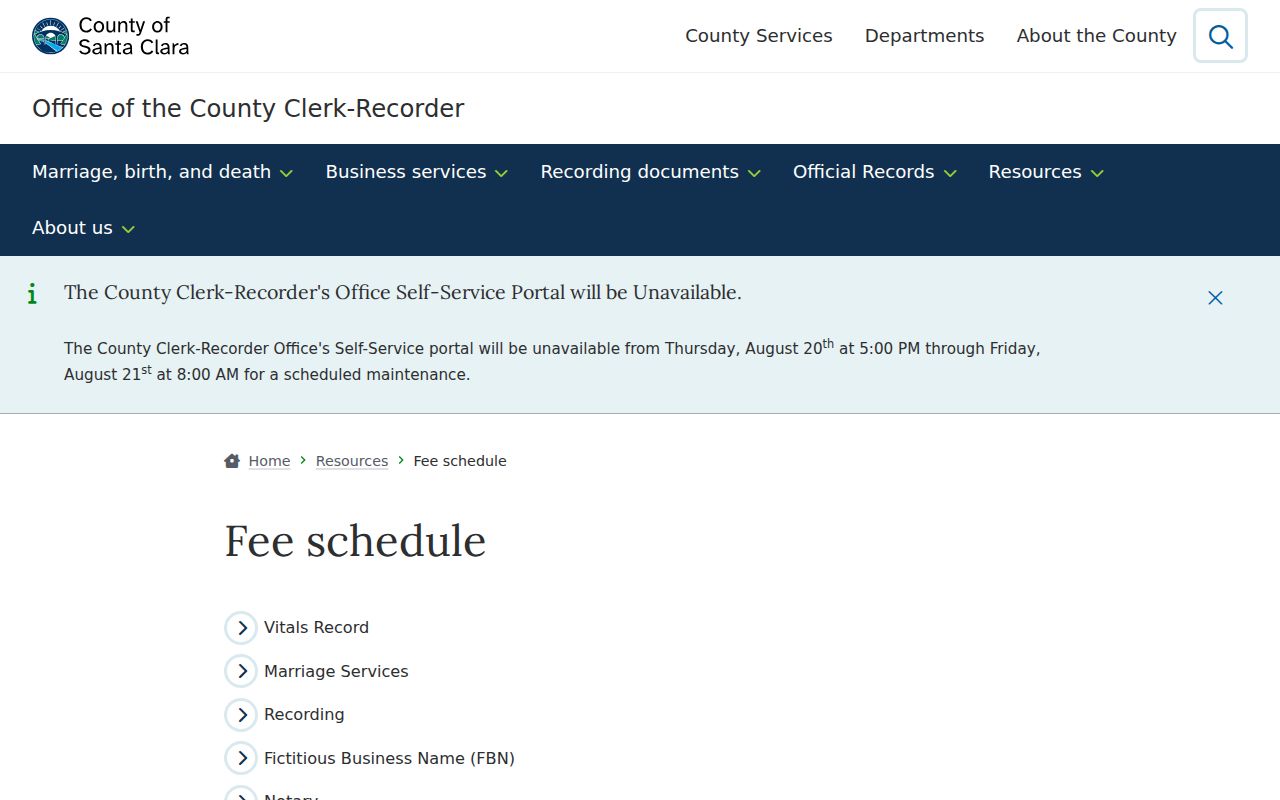
Plain recorded-document copies cost $4 for the first page and $2 for each additional page. Certification adds $2 per document, so a house-history search can stop at a plain copy when certification is not needed.
Saratoga Past Residents: The 1956 Records Split
Saratoga incorporated on October 22, 1956. Before incorporation, Santa Clara County handled subdivision approvals and building permits; later work moved into City planning and building systems. Official context material identifies 1954 construction at Allendale and Peremont, including a 79-house Peremont development. That date makes the custodian part of the Saratoga search: a pre-city permit question may belong in County material, while a later permit trail belongs to Saratoga.
Modern Saratoga municipal records can add project dates and names without proving a full household history. The Saratoga eTRAKiT permit portal supports applications, status, document exchange, payments, and inspections through a Saratoga account. Saratoga permit files may name applicants, contractors, or owners, but they do not name every occupant.
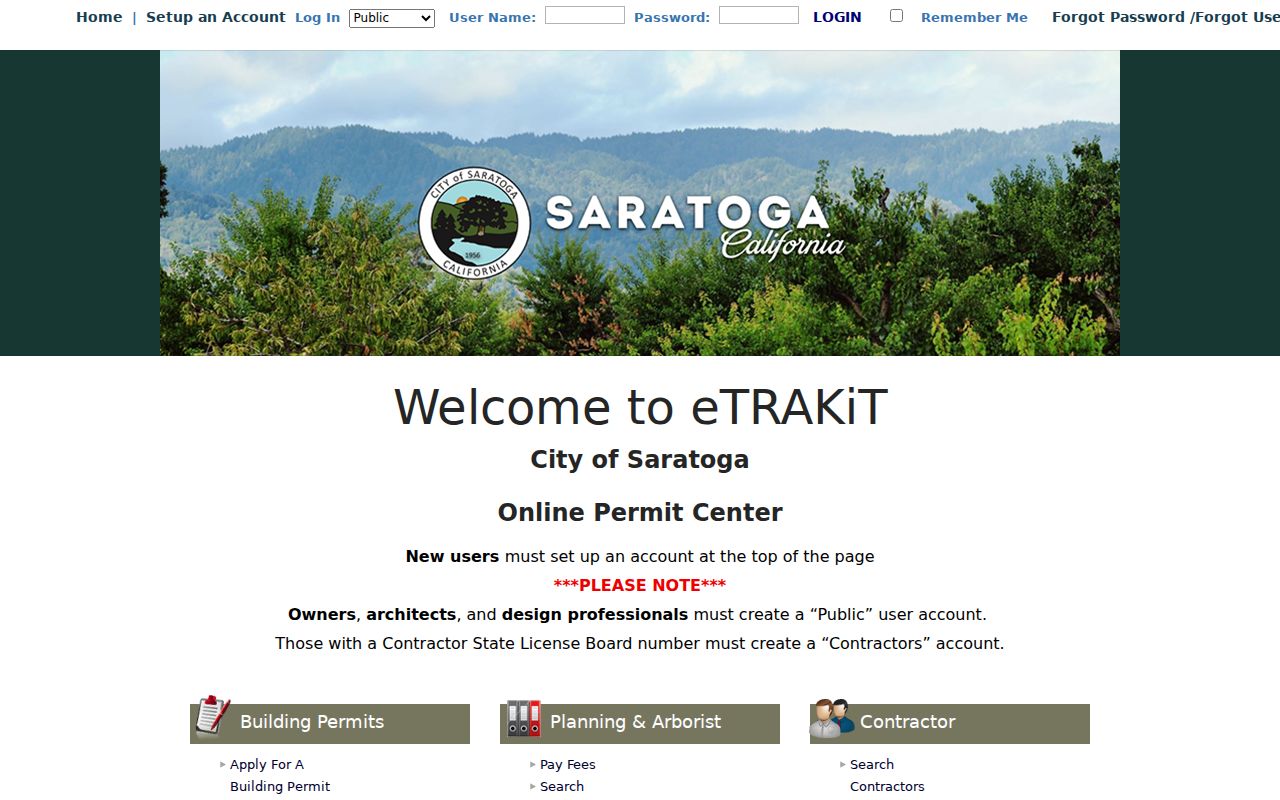
The Saratoga eTRAKiT view belongs beside the deed chain, not in place of it. It can date work on a house and identify a project party, while the recorded instrument identifies a title transfer. The Saratoga Building Division also points to Building Permit Activity Reports and the public Building and Planning kiosk during normal business hours.
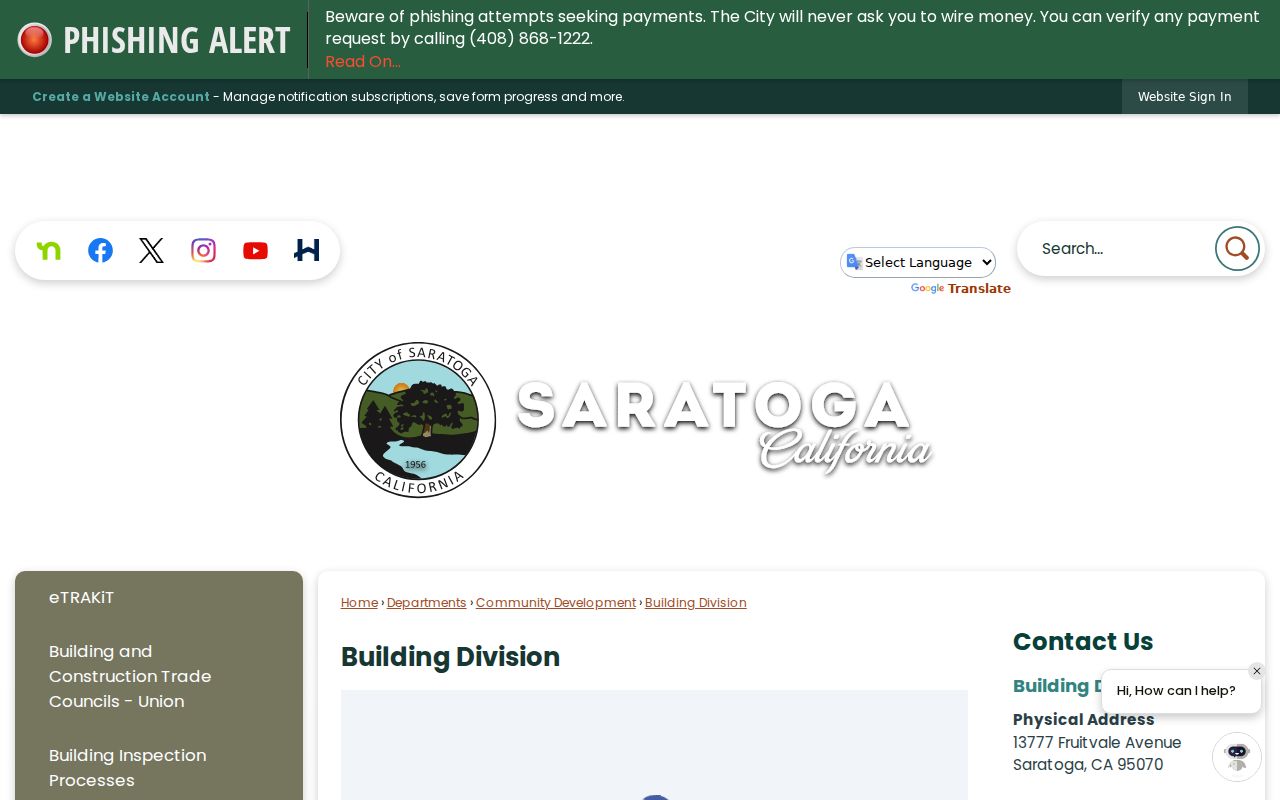
If the kiosk does not yield an identifiable record, use the City’s public-records request process online or in person. A focused request can cover a defined address, record type, date, subject, or title; the City Clerk lists 408-868-1294 for its records role.
Saratoga Previous Residents: Pair Directories With Census
Deeds show title parties; directories, newspapers, and census schedules add Saratoga household clues. Saratoga has no verified exhaustive annual city-directory run in the research record. The Haines San Jose, Santa Clara County Criss-cross Directory is cataloged for in-library use, with a West Santa Clara City and Suburban coverage note. The verified Saratoga collections and their limits are set out on the Saratoga historical directory page.
Use a simple process flow for the household layer:
- Fix the Saratoga address, era, postal identity, and any older place name before searching.
- Transcribe a directory or newspaper entry exactly, including street number and spelling.
- Pair the closest entry with a public census schedule through 1950, using address and enumeration-district clues.
- Compare the next source for arrivals, departures, relatives, and nearby names without treating a match as proof.
- Check a Saratoga obituary or probate file when a name disappears, then return to the deed chain.
Federal census schedules are public through 1950 under the 72-year rule. Historical Saratoga boundaries do not match the incorporated city, so a household may be indexed under an unincorporated township or nearby postal geography.
Saratoga Past Residents: Library Clues
The Saratoga Library Cunningham Collection joins local-history books, vertical files, yearbooks, and Saratoga newspaper runs. Listed papers include the Saratoga Item from 1896-1899, Saratoga Springs Item from 1896-1897/1899 depending the interface, Saratoga Star from 1917-1922, Saratoga Observer in 1958, and Saratoga Shopper from 1955-2015 in-library, while other runs have at-home and in-library links as listed. Genealogy access includes Ancestry Library at branches, HeritageQuest, Fold3, and Digital ReeL.
Search by person, street, subdivision, institution, and event. For the exact Haines title, the library catalog record identifies Haines and Company, Inc., an observed 2018 call-number volume, and in-library access. Call Saratoga Library at 408-867-6126 before travel. The Saratoga Historical Foundation, at the History Museum at 20450 Saratoga-Los Gatos Road, can also take a focused surname, address, subdivision, orchard, or ranch question at 408-867-4311.
Heritage evaluations offer another route for selected historic properties. The City’s Saratoga address-indexed evaluation PDFs can add construction history, former ownership or occupancy context, and neighborhood development. They are not a complete citywide household list.
Saratoga Previous Residents: Obituaries and Probate Endpoints
When an address trail breaks, a Saratoga obituary can connect a name to relatives, dates, a community group, or a former address. A probate case may identify heirs, petitions, and notices. Neither source should be read as a complete list of people who lived at a house. Use dates, relationships, and the legal description to test the connection.
Newspaper access comes through Saratoga Library, while Saratoga probate case information starts with the Santa Clara Superior Court case portal. Remote availability varies, and Saratoga filings are generally not published online. Courthouse terminals, the clerk counter, and mail requests remain access channels; a mail request should include the case number, case name, document title, and filing date when known. Court copies cost $0.50 per page, certification is $40, and a search longer than ten minutes is $15.
Saratoga House History: Use Records Lawfully
A strong Saratoga house history keeps ownership, occupancy, and family clues in separate columns. Verify each key record with the custodian, especially when a source is old, a name is common, or the parcel crossed an earlier civic boundary. No verified Saratoga street-renumbering year, Sanborn run, or general house-history guide emerged, so APN, tract, lot, block, legal description, and dated source notes should carry the Saratoga work.
Lawful house history. Use address records for genealogy, reunions, heir questions, civic research, and personal property history. Do not use an address trail to stalk, harass, threaten, or harm a living person. A public record is a clue to verify, not permission to intrude.
The best finish is a Saratoga documented chain: current parcel, latest title-changing instrument, earlier sellers, directory or census clue, and an obituary or probate endpoint when one exists. Keep the search bounded to a lawful question and preserve the gaps that the records cannot answer.