
Finding People Through Saratoga Resident Records
Finding people in Saratoga means visiting several keepers. City Hall holds one piece. Santa Clara County offices in San Jose hold more, and state agencies hold courts, licenses, and votes. Match the record to the question first. An address sends you to the Assessor, GIS, permits, and the Recorder. A name might surface in a court file, a business record, a newspaper, or a voter roll. Historical questions belong to the library, the census, and the Historical Foundation. No single source lists every household.
Note the location exactly. Postal Saratoga reaches past the city line, and older records may use a county place name instead. Record the source, date, address form, and record type, and let independent facts agree.
- Define the clue. Write the full name and variants, physical address, postal line, and time period.
- Bridge address to property. Use the Assessor situs or APN search and Saratoga GIS.
- Walk the record trail. Take the latest title document number to the County Recorder research room.
- Check person sources. Use My Voter Status only for the authenticated voter, then choose court, vital, license, or business records.
- Fill the gap. Search library and City collections, or make a focused CPRA request for an identifiable record.
Where Saratoga Resident Records Are Kept
San Jose is the county seat. Santa Clara County keeps the heavy records there: deeds, assessments, court files, and certificates. Saratoga City Hall holds the municipal side. Deeds stay with the county. City records grow stronger after incorporation. Permits, planning files, heritage evaluations, council records, and correspondence sit at City Hall.
The City Clerk takes public-records requests online. You can also go in person at City Hall, 13777 Fruitvale Avenue. Include a name, contact, a date or time, and a specific record description. A CPRA determination comes within ten calendar days. A fourteen-day written extension is possible for unusual circumstances. Laserfiche may hold published records, JustFOIA tracks requests, and eTRAKiT handles applications, documents, payments, and inspections.
Santa Clara County Recorder
110 West Tasman Drive, First Floor
San Jose, CA
Research room; 1850-present official records
Santa Clara County Assessor
70 West Hedding Street, East Wing, Fifth Floor
San Jose, CA
Monday-Friday, 8 a.m.-4 p.m.
Santa Clara County Registrar of Voters
1555 Berger Drive, Building 2
San Jose, CA 95112
408-299-VOTE / 866-430-VOTE
The Recorder removed its public online Official Record Index on November 5, 2018. The records still reach back to 1850. Digital Reel covers 1850 through 1980. Public workstations cover 1981 to the present. Start with the APN and the latest document number, follow grantors and grantees, and order copies by document number or an older book/page cite, never online or by email. The Saratoga public-records request page shows both City request channels.
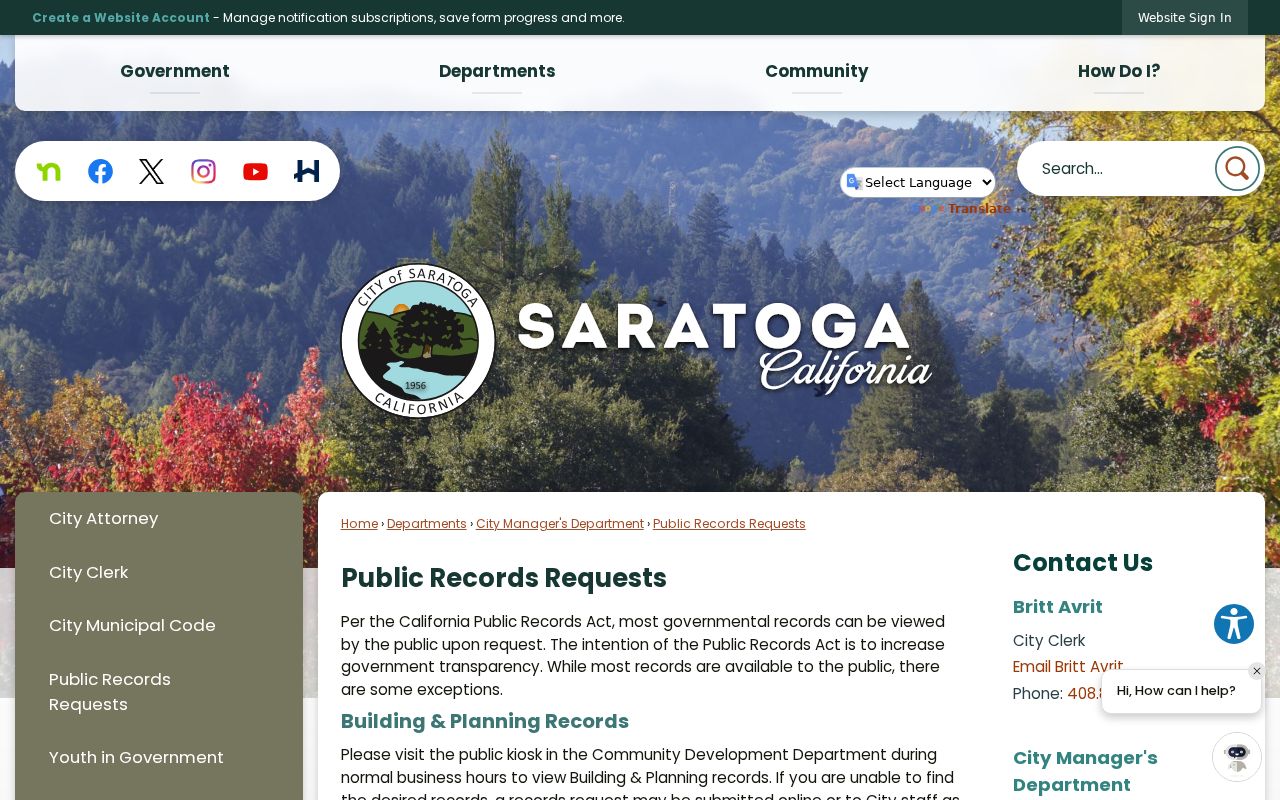
A request seeks one existing record, not open research.
Saratoga Assessor Search Fields
The Santa Clara County Assessor's Real Property Search works in three modes: Simple Address, Advanced Address, and APN. Its Terms and Conditions must be accepted first. The online result shows parcel facts only. Owner and assessee names and mailing addresses stay hidden. Search by the physical situs city. For condos or apartments the official tip is to drop the unit and browse the results.
Owner, mailing, and prior assessment data sit at the West Hedding public terminal or microfiche. Saratoga GIS supplies APN, situs, land use, zoning, and hazard context. Its Public Notification/Mailing List tool exports assessee, mailing, situs, and APN fields for parcels you select. Treat that as parcel evidence, not a household roster.
The Santa Clara County Assessor search opens the address-to-parcel bridge.
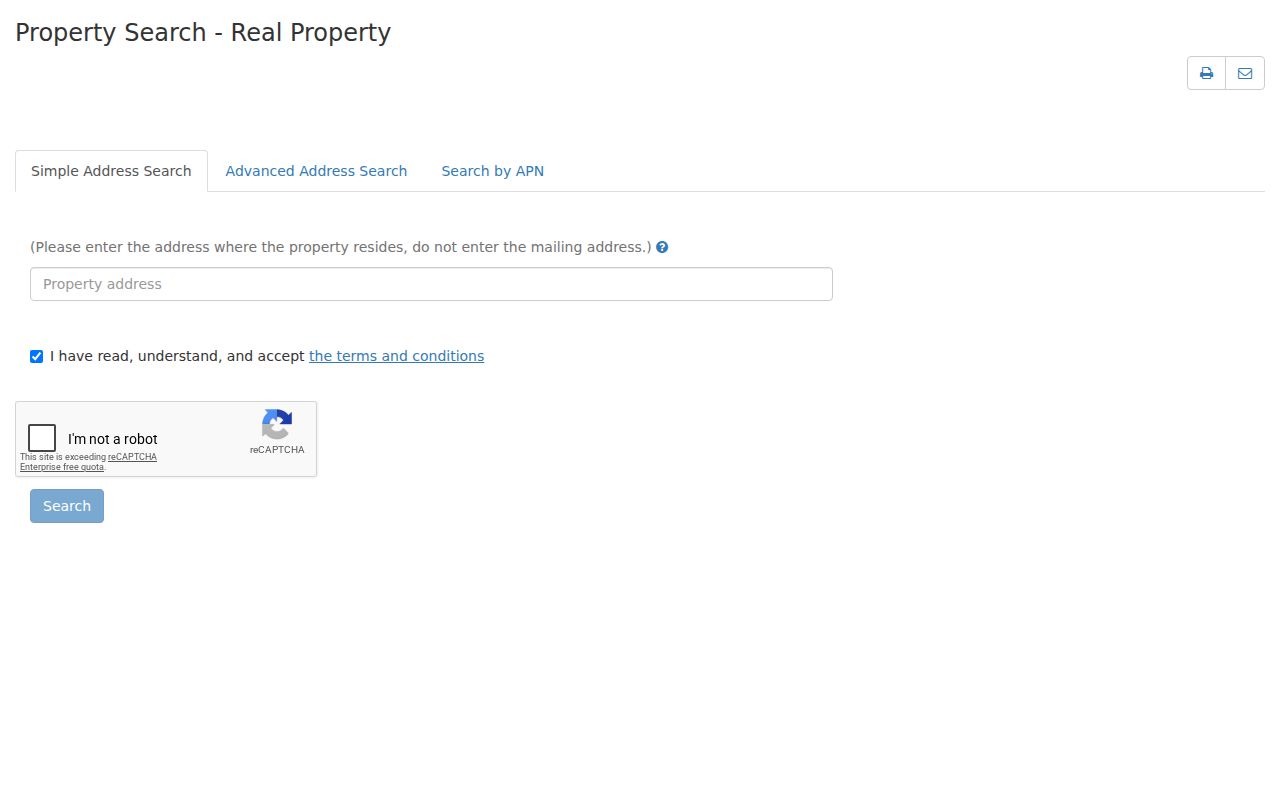
Parcel facts appear; the online owner field does not.
| Field label | Type | Required | Format or use |
|---|---|---|---|
| Property address | Text | Mode-dependent | Simple mode; physical situs address |
| Street Number | Text | No | Advanced mode; at least one character if used |
| Street Direction | Dropdown | No | Use a supplied direction option |
| Street Name | Text | Yes | No punctuation; use “1st,” not “First” |
| Street Type | Dropdown | No | Select a suffix when useful |
| Unit | Text | No | Omit for a broader condominium or apartment result |
| City | Dropdown | Yes | Physical city, not postal city |
| APN Number | Text | APN mode | 12345678 or 123-45-678 |
| Terms and Conditions | Checkbox | Yes | Accept before Search |
From a Saratoga Address to an APN
An APN is the assessor's parcel number. It ties a street address to the county's legal property record. Start from the physical address, confirm the situs, and note the latest document reference. Then open the parcel in Saratoga GIS. The map adds boundaries, land use, zoning, hazard layers, historic sites, streets, and planning context.
The GIS Public Notification tool selects a defined nearby set. The default buffer is 300 feet. Selection can be drawn as a point, line, polygon, or freehand area. CSV or mailing-label exports carry owner, co-owner, mailing, situs, and APN fields. The street-by-street workflow lives in the Saratoga street directory.
A mailing address is not an occupancy record. A deed names instrument parties, a permit names project participants, and a map describes land. Each answers a narrower question than a resident roll.
Today's Saratoga Resident Directory Sources
Today's Saratoga resident directories are partial sources with different keepers. Property tools lead with an address, permits with a project, and business or license records with an affiliation, while My Voter Status gates on identity. The table keeps those categories apart.
| Source | Evidence | Keeper | Access |
|---|---|---|---|
| Assessor web result | APN, situs, values, characteristics, exemption, latest document | Santa Clara County Assessor | Free address or APN search; owner hidden online |
| Saratoga GIS notification export | Selected assessee, co-owner, mailing, situs, and APN fields | City Community Development | Free spatial selection and export |
| My Voter Status | Authenticated registration status, districts, and ballot-status information as applicable | California Secretary of State | Self-lookup; not a public street roll |
| City permits and eTRAKiT | Applications, project parties, documents, payments, and inspections | Saratoga Building and Planning | Online account, kiosk, counter, or request |
| Public court case information | Party name, case number, type, status, and public docket material | Santa Clara Superior Court | Web, courthouse terminal, counter, or mail |
| Business and license records | Entity, agent, license, status, or filed business address | California and county custodians | Official portals; city roster requires a defined request |
A family historian may need old newspapers. A property researcher needs the APN and deed chain. A civic researcher wants an existing City record. A name-only result needs a second fact first, such as a date, address, relative, parcel, entity, or license, before records are combined.
Official and Commercial Resident Sources
Official sources carry a named custodian, a scope, and an access rule. A deed index reports instruments. A court portal reports case information. A license search reports a regulatory record. Commercial compilers assemble public and purchased data for convenience, but they can run stale, merge similar names, drop context, charge for repackaged records, and require a separate privacy request when they get someone wrong.
| Category | Strength | Limit to keep in mind |
|---|---|---|
| Official public record | Known keeper, defined record, source date, and formal correction or copy route | May be office-only, identity-gated, redacted, or limited to a role such as owner or party |
| Commercial compiled directory | May gather scattered clues into one paid interface | Source dates and context can be unclear; names, addresses, and relationships can be conflated |
A focused source beats a sprawling one. The California Secretary of State bizfile Online search proves the point. Query an entity name or number and you may see status, type, formation details, agents, and filed addresses. Treat any address with care, though. A filed address is not proof of a home.
Official records have visible limits. That honesty matters in a residents directory. A dated result with its source labeled beats an unexplained compilation every time.
Saratoga Voter Status Limits
California My Voter Status is a self-lookup behind authentication. It is not a public Saratoga residents directory you can browse by street. You enter a first and last name, birth date, and the last four digits of a California driver license or ID. You also enter the last four of a Social Security number. The result may show status, party preference, districts, polling details, Vote-by-Mail enrollment, and ballot status. How a person voted stays private. Always. The California My Voter Status lookup covers your own record only. The Registrar also helps by phone or in person at 1555 Berger Drive. A full voter file for a permitted purpose takes a separate application, identification, and payment. It also takes security commitments. Elections Code section 2194 shields ordinary voter information, identification numbers, and signatures. It also shields confidential voters who qualify. CPRA does not override it. Historical poll books run through an Archives or library route instead. Public does not mean browseable. An official resident lookup can be built for self-service alone.
Use the result for the narrow status question it answers. Then corroborate anything else through the right custodian.
Santa Clara Court Matches in Saratoga
Santa Clara Superior Court serves Saratoga. Case Information Online spans civil, small claims, probate, some family, traffic or local-ordinance, and criminal matters. Availability varies, though. Filings are generally not online. Remote access stays narrower than a courthouse terminal. Field labels, result caps, and export behavior cannot be counted on as a universal name index. Work the tiers in order. Use the web portal when it allows. Try a courthouse terminal when remote material is missing. Or go to the clerk counter where the case was filed. A mail request should list case number, case name, document title, and filing date when known. It should also include a stamped envelope and check. Fees run $0.50 per page, $1 for comparison, $40 for certification, and $50 for exemplification. A search over ten minutes adds $15. The Santa Clara court case search portal belongs beside the clerk counter, not above it.
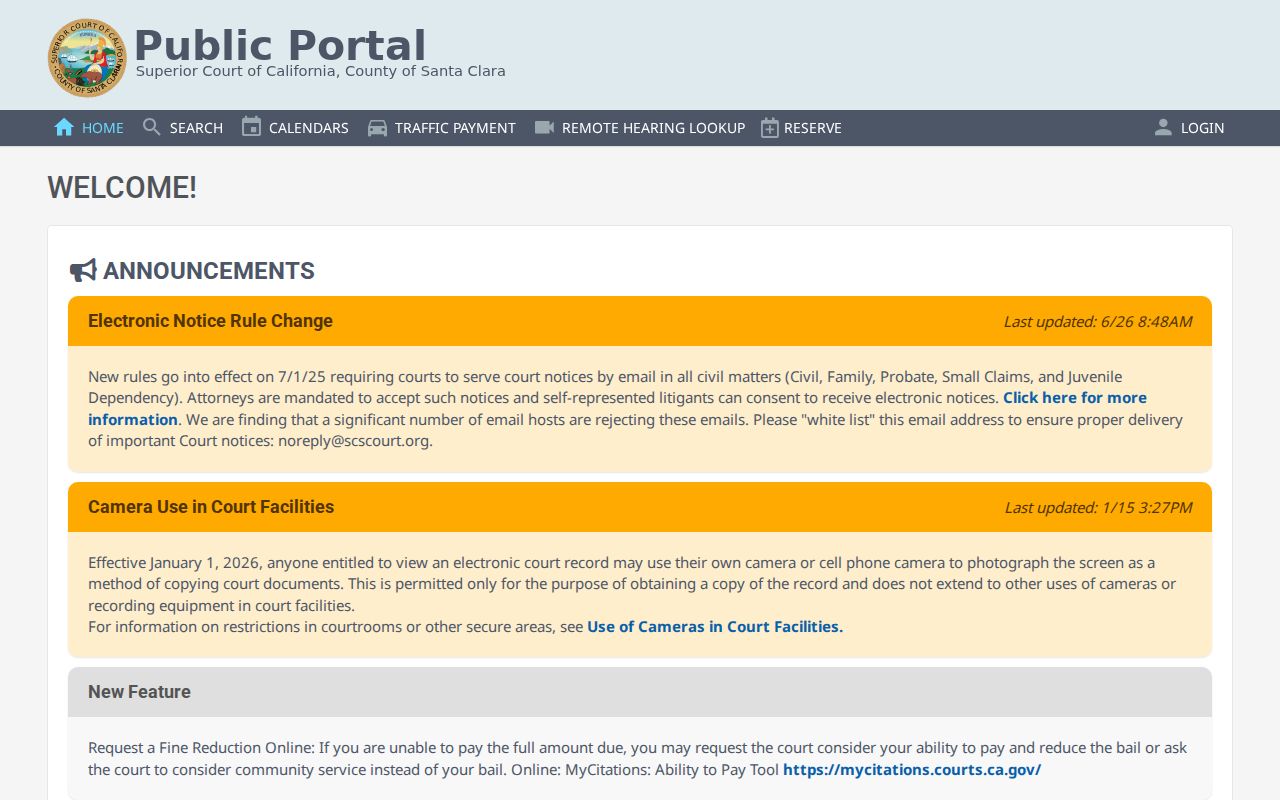
One newer rule helps. Since January 1, 2026, AB 1524 lets an entitled user photograph public paper or terminal records with a personal device. Sealed matters and courthouse security still limit this. Juvenile dependency or delinquency, adoption, sealed matters, and protected family portions stay restricted. Federal matters go through the Northern District of California, San Jose Division. They also run through PACER or a federal courthouse terminal. PACER pricing published in 2026 is $0.10 per page with a $3 cap in most cases. It also sets a $30 quarterly waiver threshold. Older files may still be paper only.
Saratoga Vital Record Access
Vital certificates prove an event, not current residence. Keep that distinction firm. The Santa Clara County Clerk-Recorder sits at 110 West Tasman Drive, First Floor, San Jose. It is open Monday through Friday, 8 a.m. to 4:30 p.m., at 408-299-5688. County ordering pages and the counter serve known events. From January 1, 2026, county copies carry new fees. They cost $34 for birth, $26 for death, and $19 for marriage. Authorized copies stay narrow. They go to the registrant, qualifying close family, or specified legal and government representatives. Mailed or online authorized requests need a relationship declaration plus a notarized sworn statement. Informational copies skip that step. But they carry the words "Informational, not a valid document to establish identity." Birth signatures and death signatures or Social Security numbers are concealed. Confidential marriage, adoption, and sealed birth records remain restricted. CDPH-Vital Records is the statewide fallback. It generally holds births from July 1905 onward, with parallel death and marriage holdings. VS111 asks for copy type, relationship, sealed status, names, birth details, and parent names. It also asks for applicant contact, quantity, signature, and notary. The birth fee published on inspection was $31 by mail. CDPH has no public counter. It does not email or fax certificates. It retains the search fee when no record is found, though it can issue a Certificate of No Public Record. A CDPH divorce certificate for 1962 through June 1984 is not the court decree itself.
Saratoga Library Newspaper Trail
Saratoga Library's Cunningham Collection anchors local-history research. It spans local-history books, yearbooks, vertical files, and historic newspapers, split between at-home links and in-library material. An obituary, school note, social item, property notice, or advertisement can place a person in a time and community. That placement is context, not a current roster. The Saratoga Library local-history collection supplies the newspaper trail itself. The source is the point here. Not every volume is online from home.
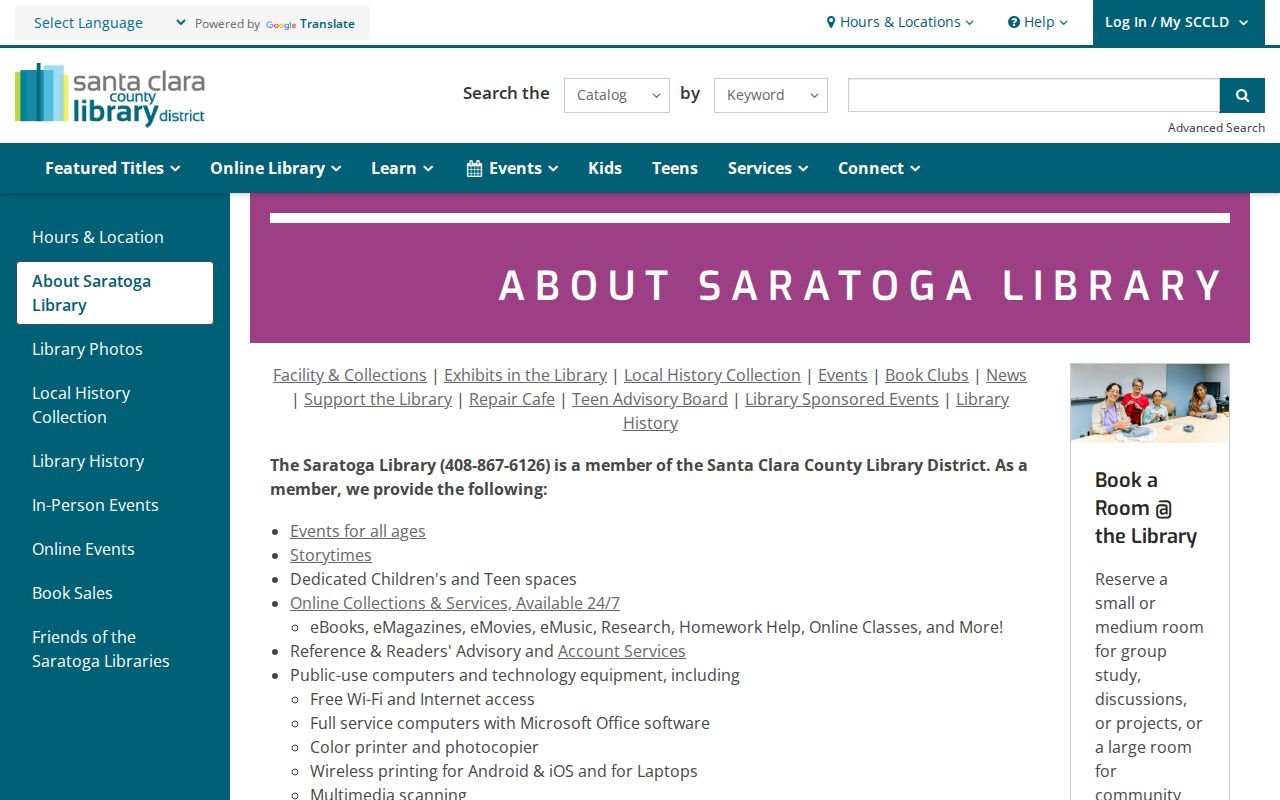
The verified runs include Saratoga Item, 1896-1899; Saratoga Springs Item, 1896-1897 or through 1899 depending on the interface; Saratoga Star, 1917-1922; Saratoga Observer, 1958; and Saratoga Shopper, 1955-2015 with in-library access. Check endpoints when a date matters. Yearbooks strengthen a former-classmate trail when paired with newspaper dates, relatives, addresses, or official records. Search vertical files by person, street, subdivision, institution, or event. SCCLD genealogy resources include Ancestry Library, HeritageQuest, Fold3 Library Edition, and Digital ReeL. Each has its own access rules. Call 408-867-6126 before traveling, since Cunningham and directory material stay in-library. The newspaper sequence runs from the early papers through the 1917-1922 Star. It continues to postwar coverage around incorporation and subdivision.
Saratoga's 1956 Records Split
Saratoga incorporated on October 22, 1956. That date split record custody in two. Before incorporation, Santa Clara County approved subdivisions and issued building permits. A 1954 permit question begins with county material. The address may now sit inside city limits, but the record still started at the county. City Community Development records hold the later municipal permits and planning files. Deeds never moved; they stay with the County Recorder. A city permit, a county deed, and a 1950 census line can describe the same parcel. They sit under different custodians.
The post office opened as McCarthysville in 1855 and took the name Saratoga in 1865. McCartysville, Tollgate, and Bank Mills also surface in historical references. Search all those terms in newspapers, census entries, deed abstracts, and library catalogs. Street delivery uses ZIP 95070, and 95071 serves post-office boxes. Postal, city, county, and census lines rarely match.
California Business and License Clues
Official business and license records can date an affiliation precisely. The California Secretary of State runs bizfile Online. It searches entities by name or number and can show status, type, formation information, agents, and filed Statements of Information. Fictitious Business Names belong to Santa Clara County instead. Saratoga requires business licenses. The city publishes no searchable public roster. Request a named license or a defined list.
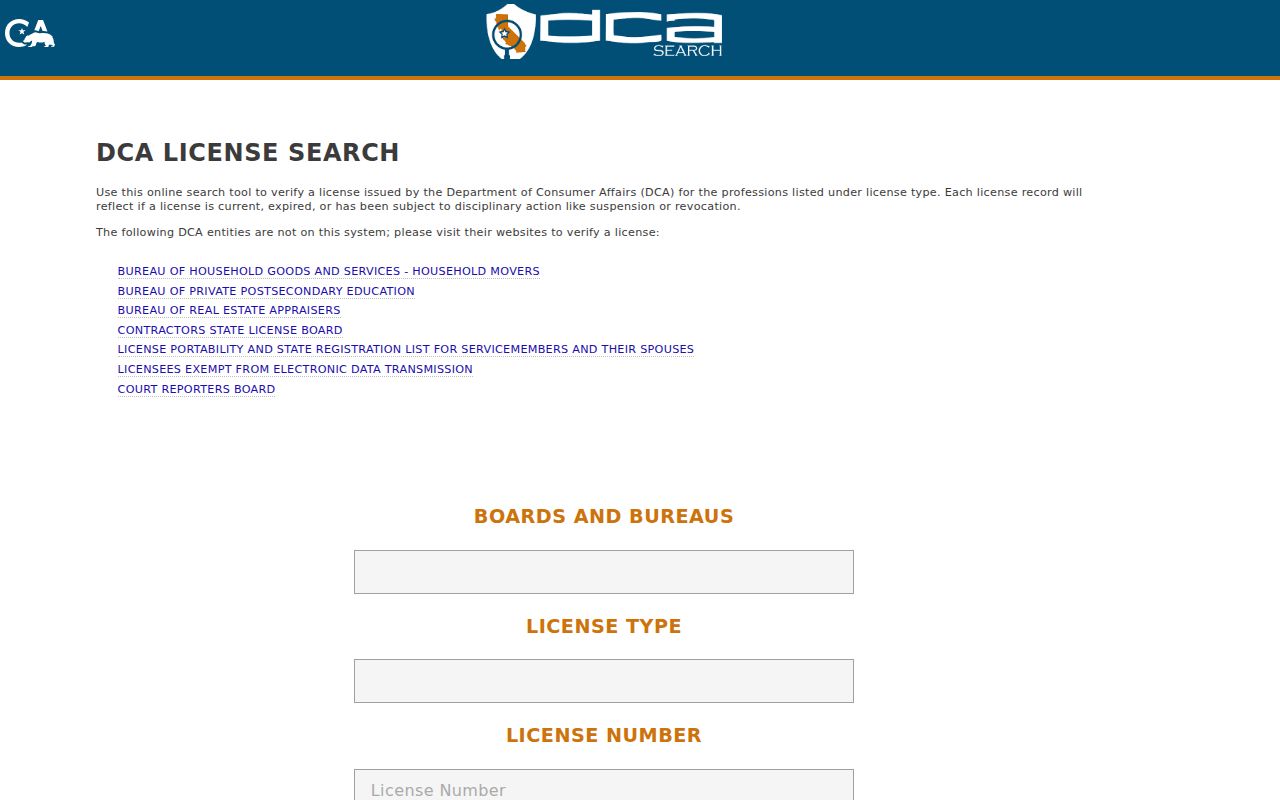
For licensed professions, the California Department of Consumer Affairs search takes several fields. It accepts Board or Bureau, License Type, License Number, Business Name, First Name, and Last Name. Board pages supply status, expiration, and public address details. A license is regulatory, not proof of a home address. The California professional license search shows a field-led official affiliation.
Other state routes exist. CDCR's CIRIS locates a person by CDCR number or name, covering state prison rather than local custody. California Megan's Law searches by name, city, county, ZIP, or map vicinity, with statutory use limits attached. Unclaimed property keeps a historical address, not current residence.
Saratoga Privacy and Protected Addresses
California privacy law offers real tools. Under the Consumer Privacy Act, covered businesses may owe access, correction, deletion, and limits on sale or sharing. It does not erase public records. A source error goes to the custodian, while a commercial compilation error goes to the covered business.
The Delete Act created DROP. Consumer access opened January 1, 2026. Active registered brokers began processing requests August 1, 2026 and must access the system at least every 45 days, subject to exceptions. Keep your confirmation and check again. DROP removes a broker's copy, never a deed, court file, certificate, or agency record.
Safe at Home, under Government Code sections 6205 and following, gives eligible survivors and specified reproductive-health participants a substitute mailing address, forwarding, service-of-process, and confidential-voter protections. It does not erase old records. Section 6209.5 can allow the substitute address in specified real-property fields while the legal description still identifies the parcel.
Tracing Historical Saratoga Resident Directories
The historical Saratoga residents directory shelf runs wider than one complete city-directory run. Saratoga Library holds the Cunningham materials. Its collections add newspapers, yearbooks, vertical files, and genealogy databases. They also include a cataloged Haines San Jose, Santa Clara County Criss-cross Directory. The Haines record names Haines and Company, Inc. It notes West Santa Clara City and Suburban coverage. It also lists R 917.947 HAINES 2018 for in-library use. It does not list every annual volume. Saratoga coverage in each edition goes unconfirmed. The Saratoga Historical Foundation archive and museum offers photographs, family files, maps, and books. It also provides topical research through another local channel.
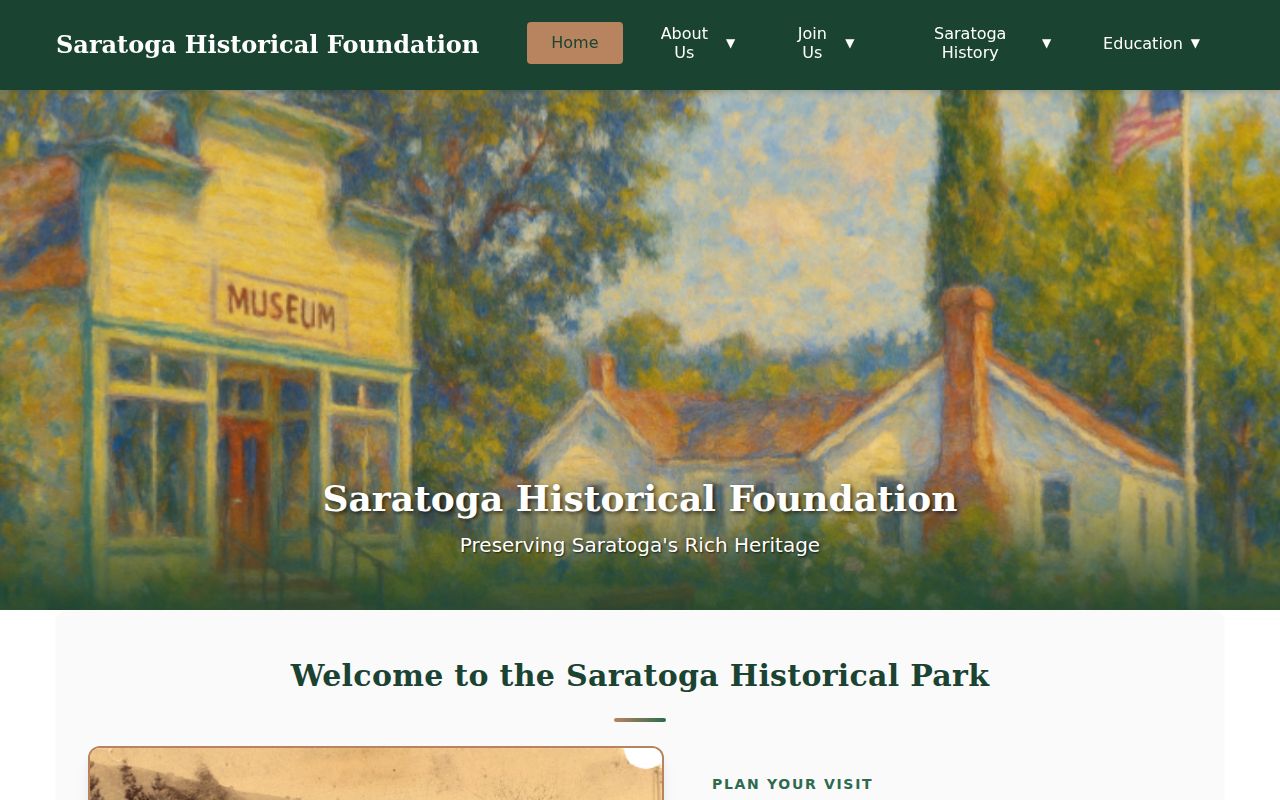
Call 408-867-4311 with a surname or address. Orchard, ranch, institution, business, and subdivision clues help too. Staff can confirm the volume, year, branch, and copying rule; the deeper collection treatment sits on the Saratoga Directory Book page.
- Roll
- An organized list kept for a defined public or institutional purpose. It may show status or membership, not every resident.
- Index
- A finding aid with names, parties, dates, or document fields. It points to a record and is not the recorded image itself.
- Criss-cross directory
- A reverse address or telephone directory, such as the Haines cataloged volume, whose entries depend on edition and local coverage.
- Parcel
- A legal unit identified by an APN and legal description. One parcel is not the same thing as one household.
Note: A directory or parcel clue grows stronger when its date, address, and jurisdiction agree with a second independent record.